














MORE EVIL MONKEYS
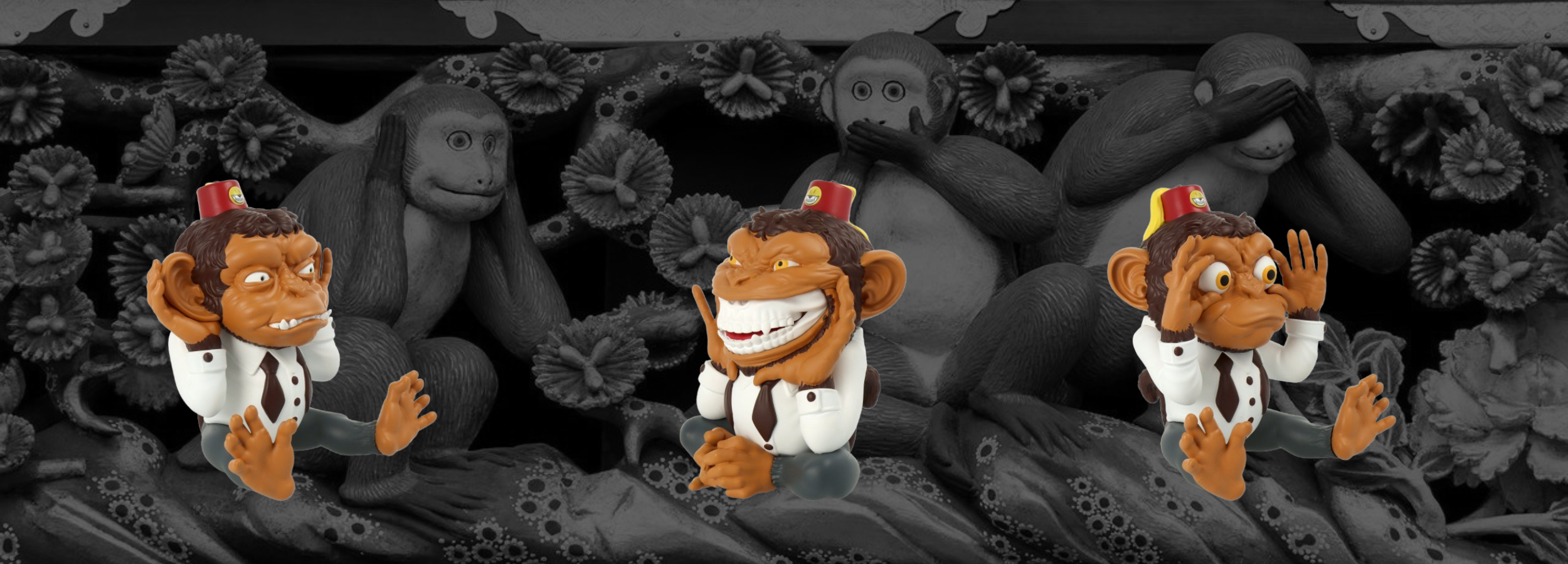
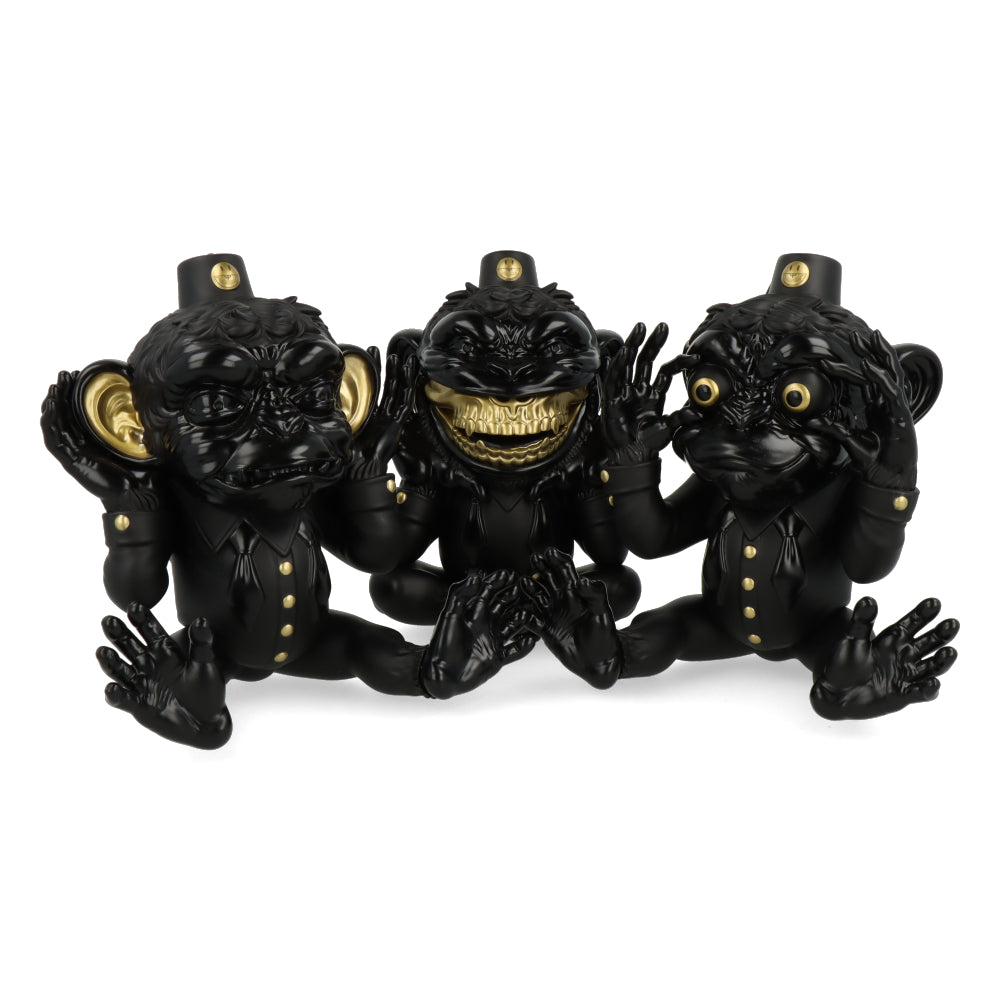
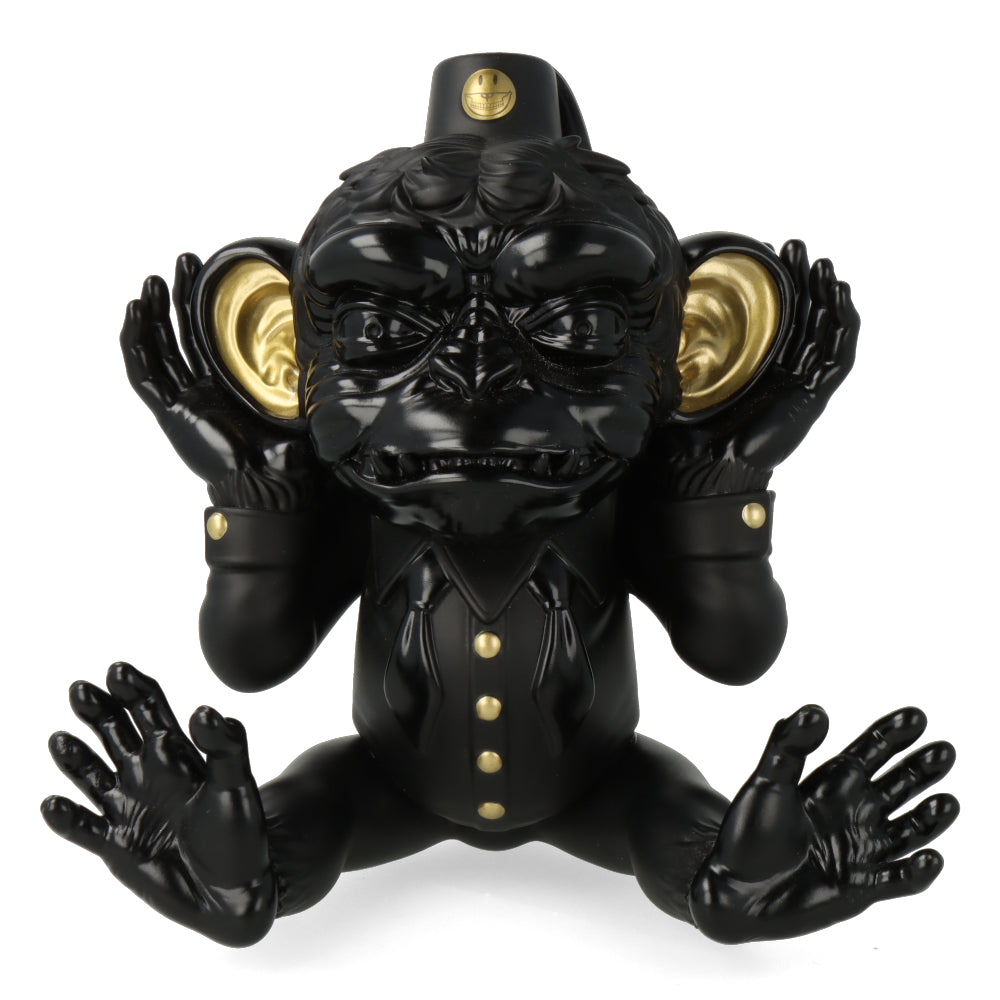
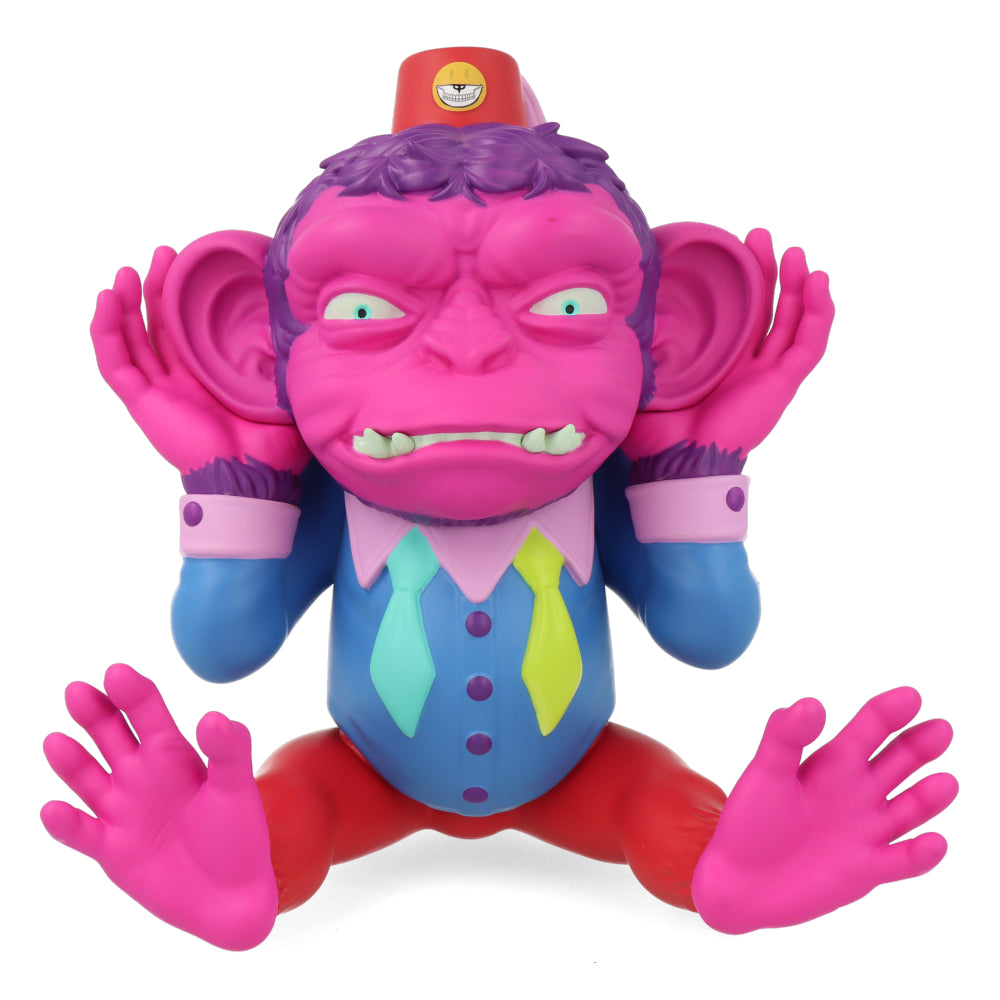
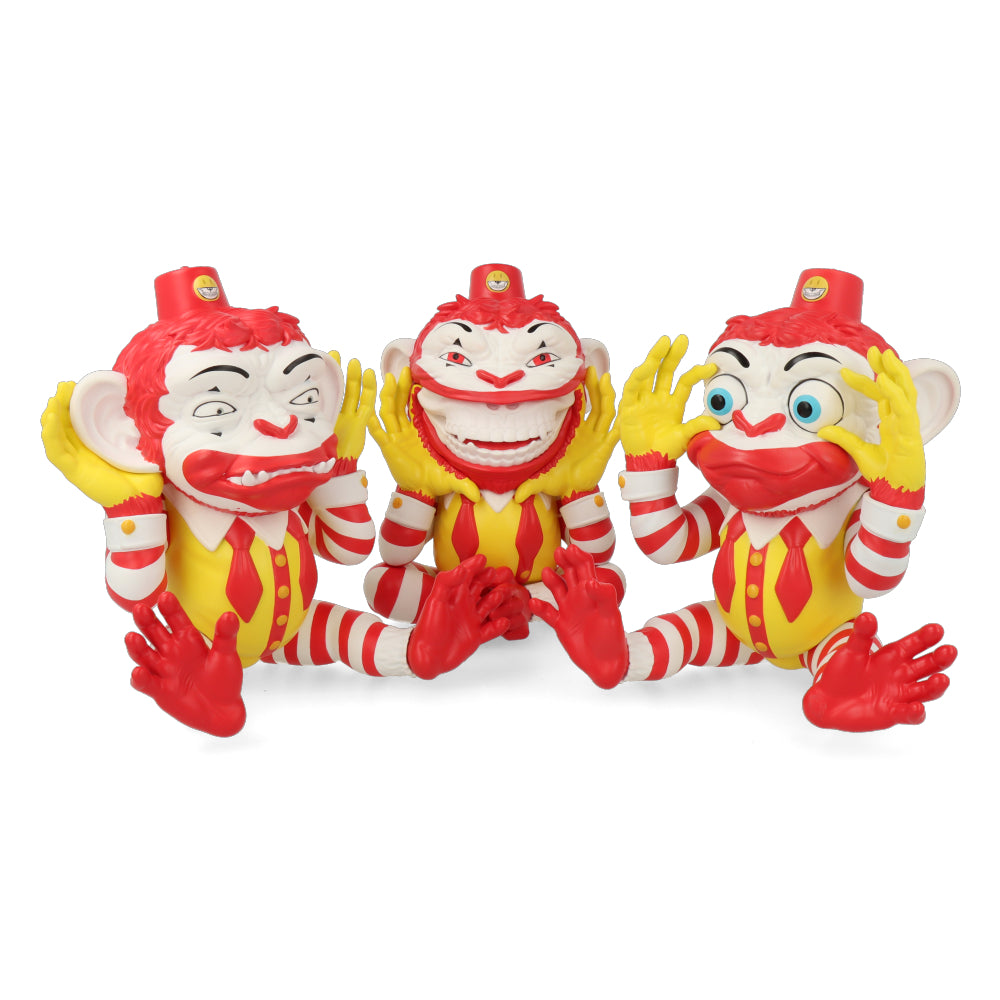
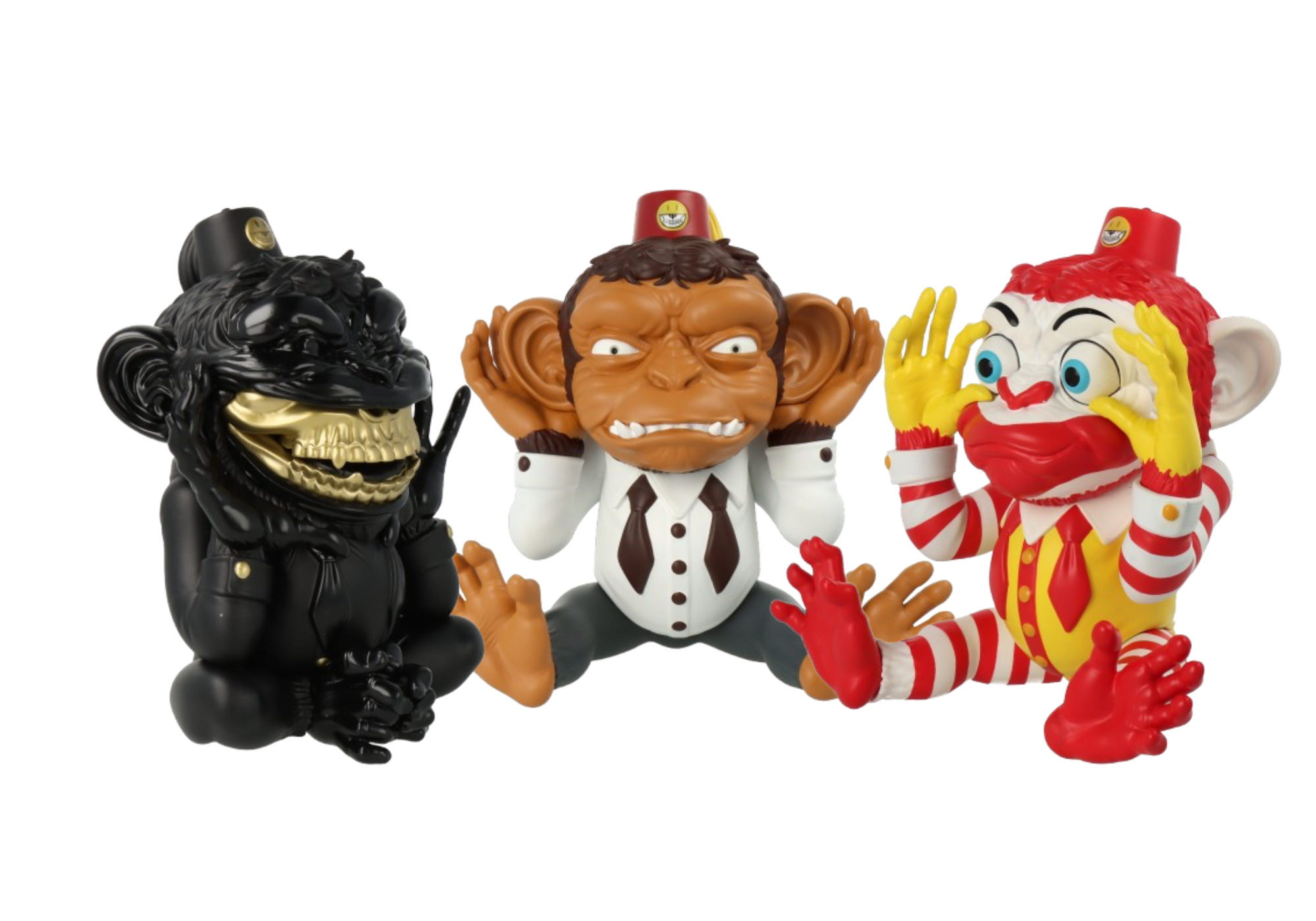
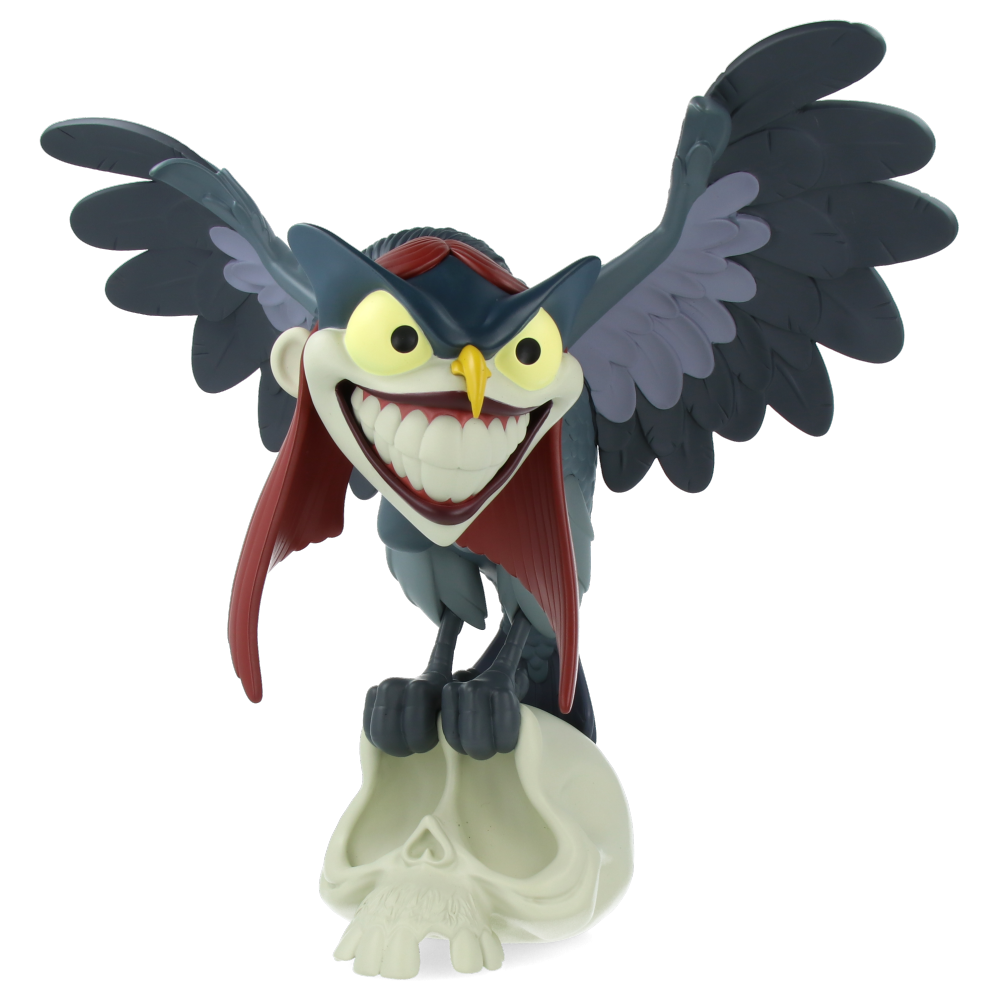
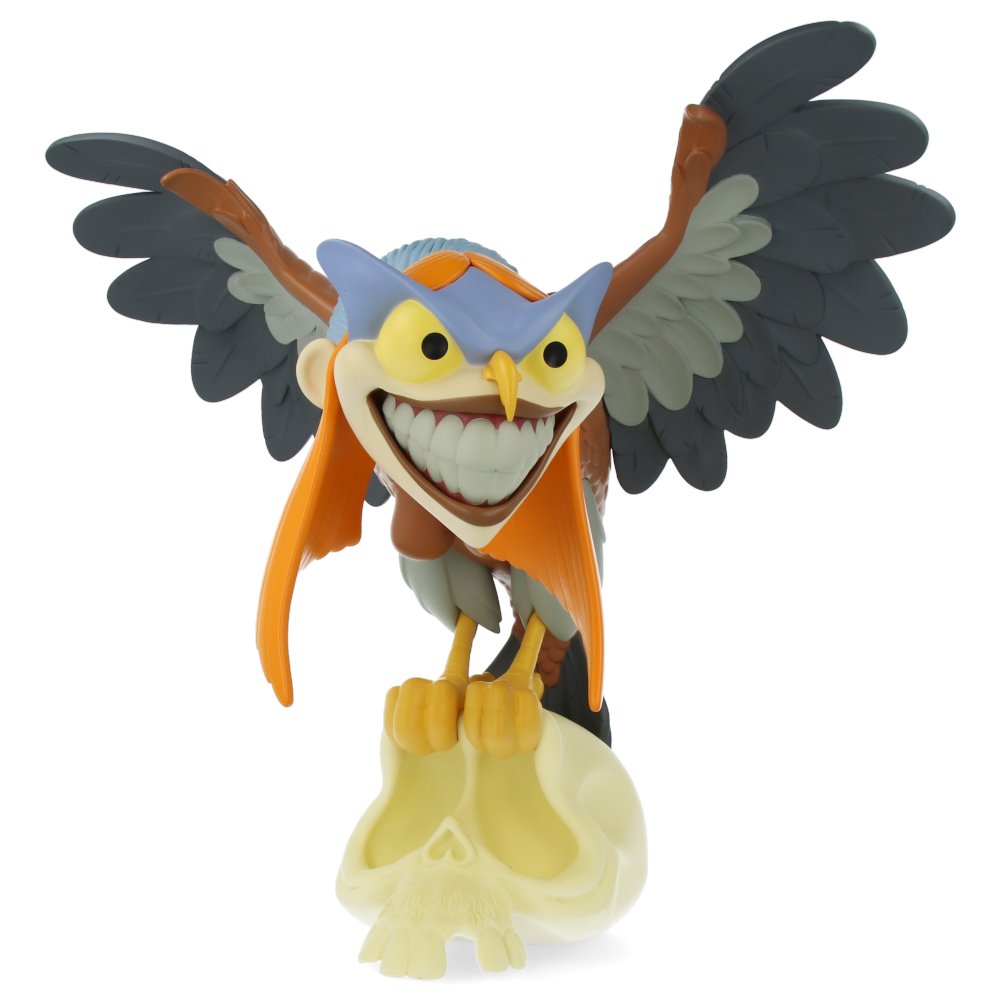
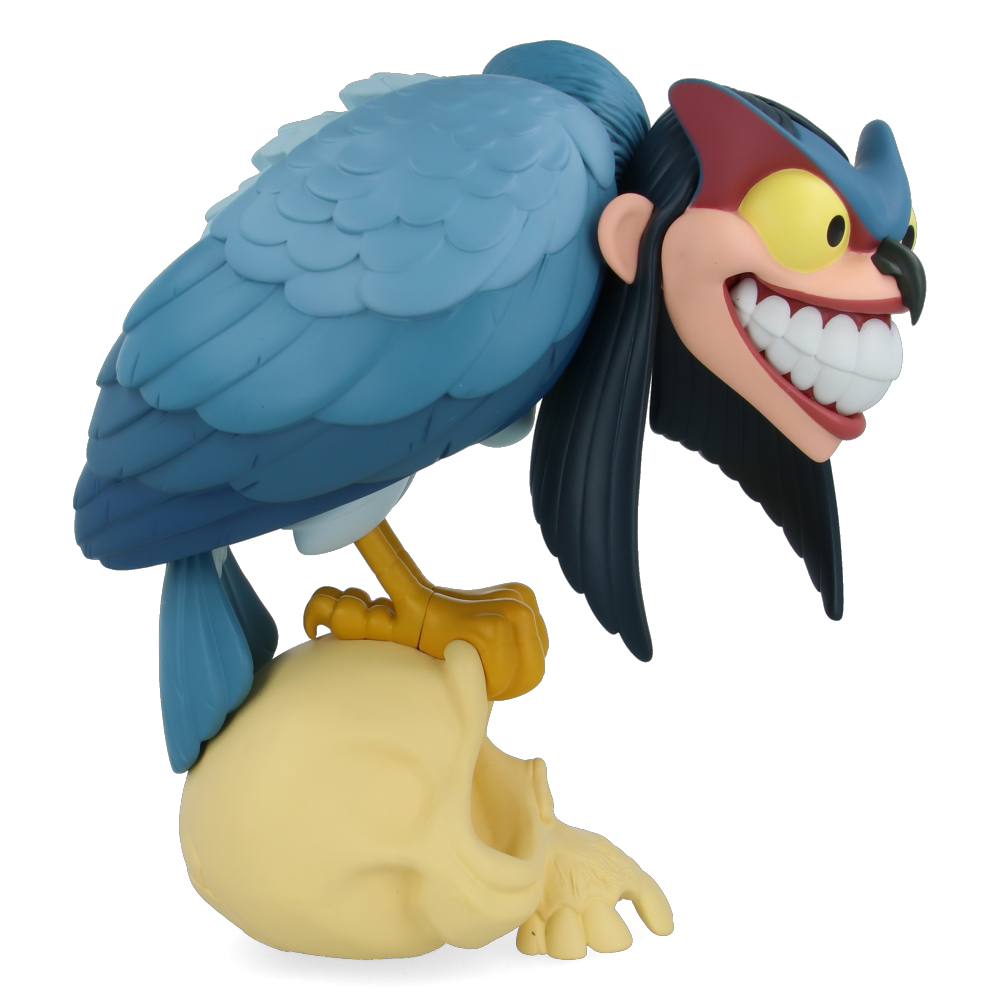
"Do not see Evil, do not hear Evil, do not speak Evil": this is the maxim that American artist Ron English decided to challenge with this first triptych with our label GOLEM.
GOLEM
More Evil Monkeys at half price!



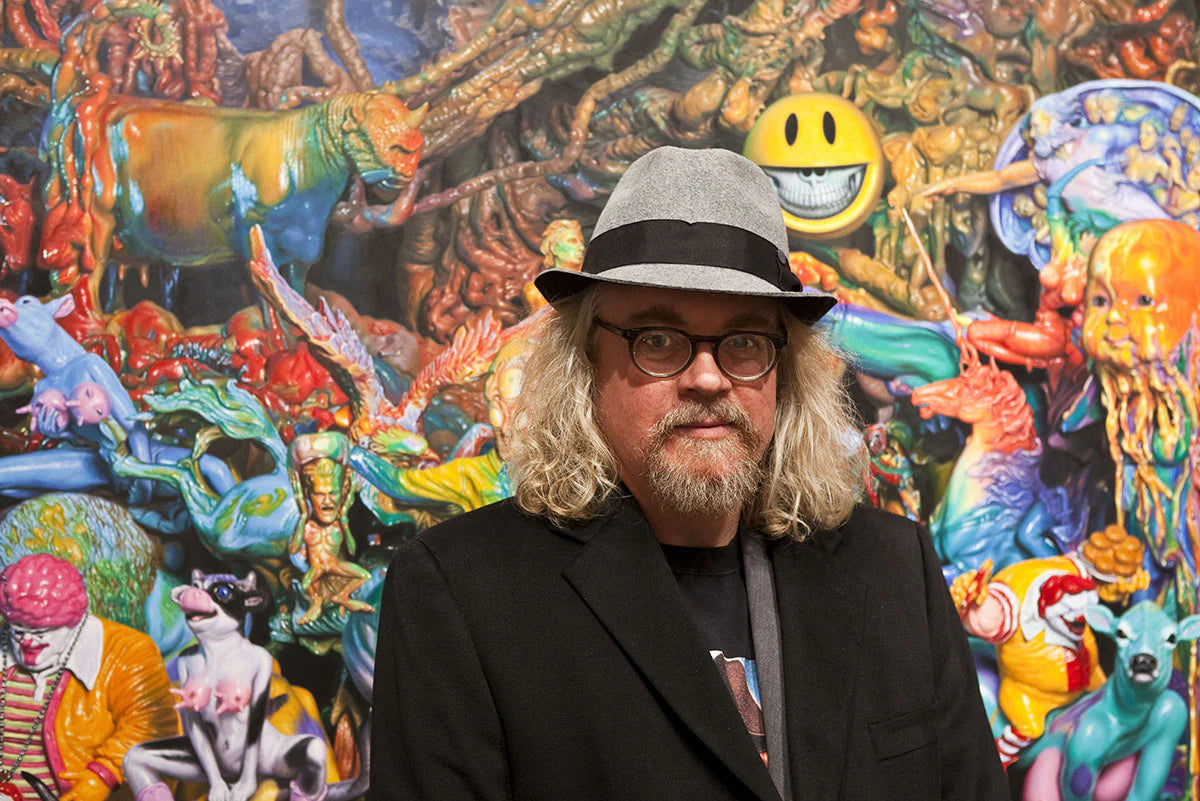
RON ENGLISH
Born in Chicago in 1959, Ron English is a painter and practitioner of Culture Jamming, literally meaning "cultural interference". This movement aims to criticize modern society, which is seen as being solely based on consumer culture. He called his way of denouncing society "PoPaganda".
The Monkeys of Wisdom
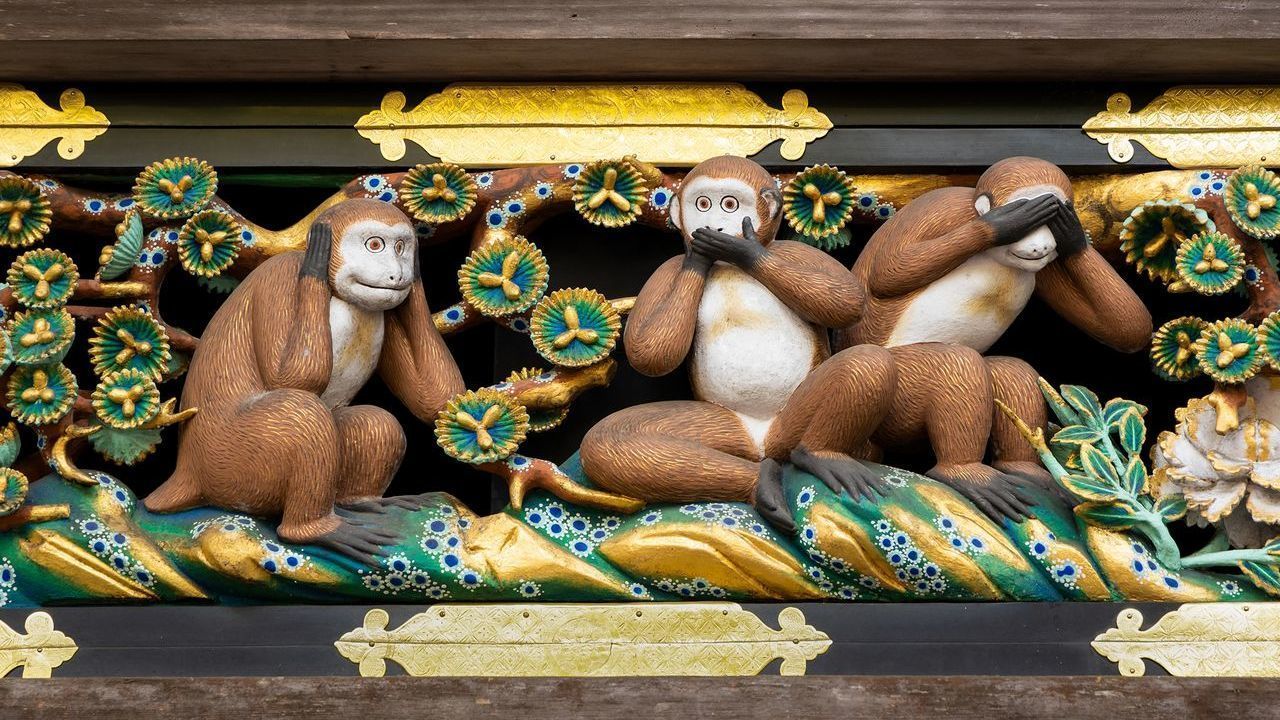
We all know these famous monkeys: one with ears covered, another with mouth covered, and the last with eyes hidden. But where do they come from, and why did Ron English do the opposite with his More Evil Monkeys?
As mentioned above, these three monkeys visually represent the East Asian maxim "Do not see Evil, do not hear Evil, do not speak Evil". It is a Buddhist and Shinto proverb reflecting the idea of avoiding the Three Poisons: greed, ignorance, and anger, which are considered the sources of all suffering.
Although this photo comes from the Tōshōgū shrine in Nikkō, Japan, the maxim is originally from China and spread as far as India. Let’s look at their representation in Japanese culture. From left to right, we have Kikazaru, representing not hearing evil, then Iwazaru, representing not speaking evil, and finally Mizaru, the monkey who does not see evil.
Subvert to denounce
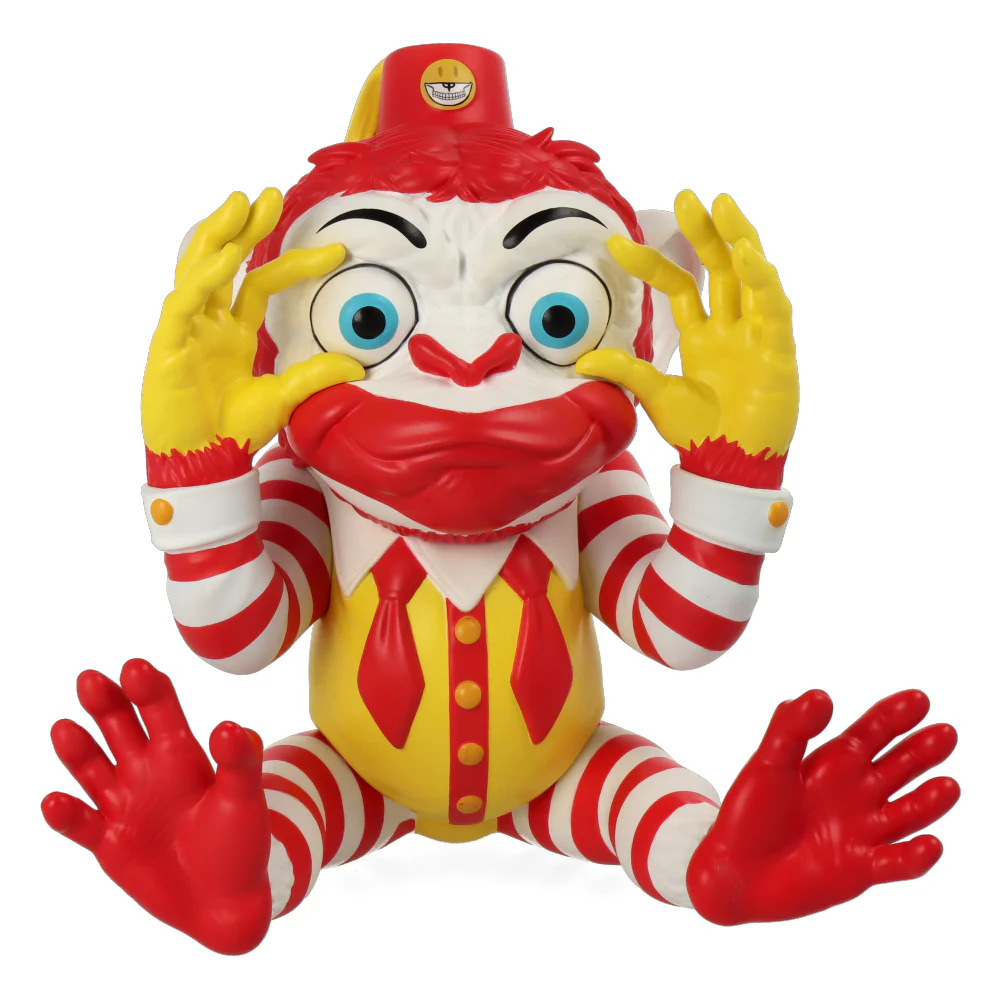
With this triptych, Ron English shows that society does the complete opposite of this teaching due to social media and other forms of media: everyone wants to hear everything, see everything, and say everything.
He also created an MC version, inspired by his iconic MC Supersized, which aimed to denounce fast-food culture and its impact on society.
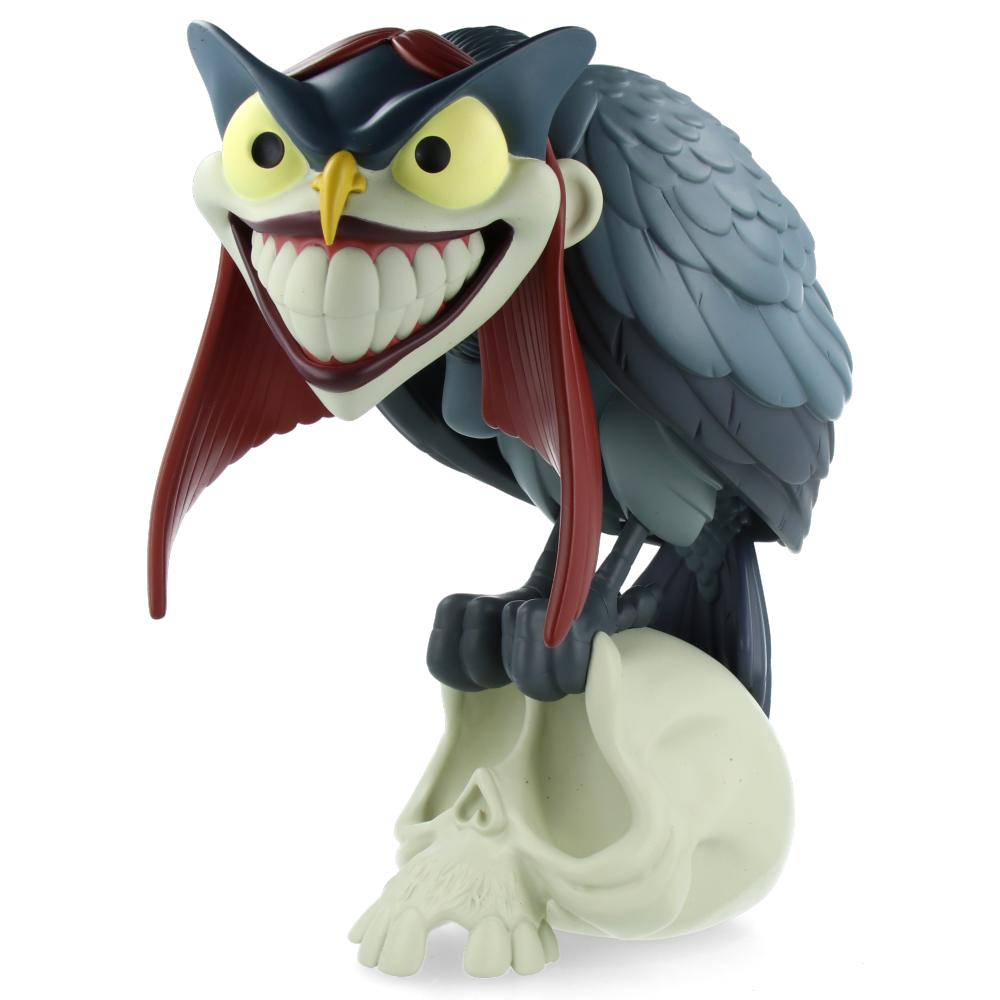
And find all ARTOYZ Originals products right here!
ARTOYZ ORIGINALS












FAQs
Ron English is a painter immersed in pop culture, born in Chicago in 1959. He is the godfather of PoPaganda, a concept that aims to subvert popular figures to denounce social issues.
You can find figurines of the artist Ron English on our website, in the Ron English section.
At ARTOYZ, we offer promotions of up to -70% on hundreds of products until the Monday following Black Friday! Find these offers on artoyz.com as well as our store, 83 rue Saint-Honoré, 75001 Paris.
